When Cummins transitioned from traditional mechanical solid lifters to hydraulic flat-tappet and roller lifters in late-model 6.7L engines (2019+ models), the change promised distinct advantages. The primary goals were eliminating periodic manual valve lash adjustments and significantly reducing engine noise, vibration, and harshness (NVH) inside the cab. However, introducing hydraulic valvetrain components into a high-pressure diesel environment brought unexpected durability challenges, leading to reports of premature wear and severe engine damage.
The valvetrain in a modern diesel engine operates under extreme stress. High cylinder pressures and stiff valve springs place heavy, continuous loads on the hydraulic lifters. Because these components rely on clean engine oil to maintain proper hydraulic pressure, soot accumulation, thermal breakdown, or delayed maintenance intervals can quickly clog their internal oil passages.
Additionally, wear on the lifter roller wheel pins can cause the roller to skid or slide across the camshaft lobes rather than rolling smoothly. Once this friction occurs, severe scoring on the camshaft follows rapidly, grinding fine metal debris into the oiling system and risking catastrophic engine failure.
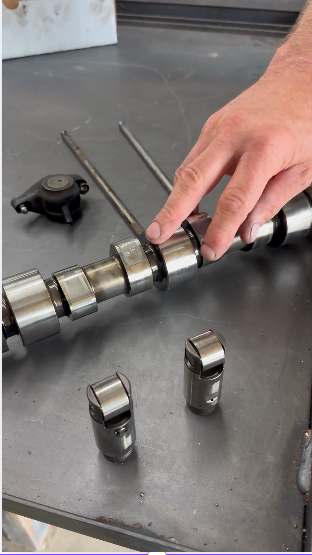
A customer recently brought in their truck after noticing a ticking noise under the hood. To diagnose the issue, our technicians removed the valve cover to inspect the rocker arms and pushrods for unusual wear—a key indicator of hydraulic lifter failure and camshaft damage. When we spot this pattern of wear, we recommend converting from hydraulic lifters to traditional solid tappet lifters to ensure lasting engine consistency and reliability.