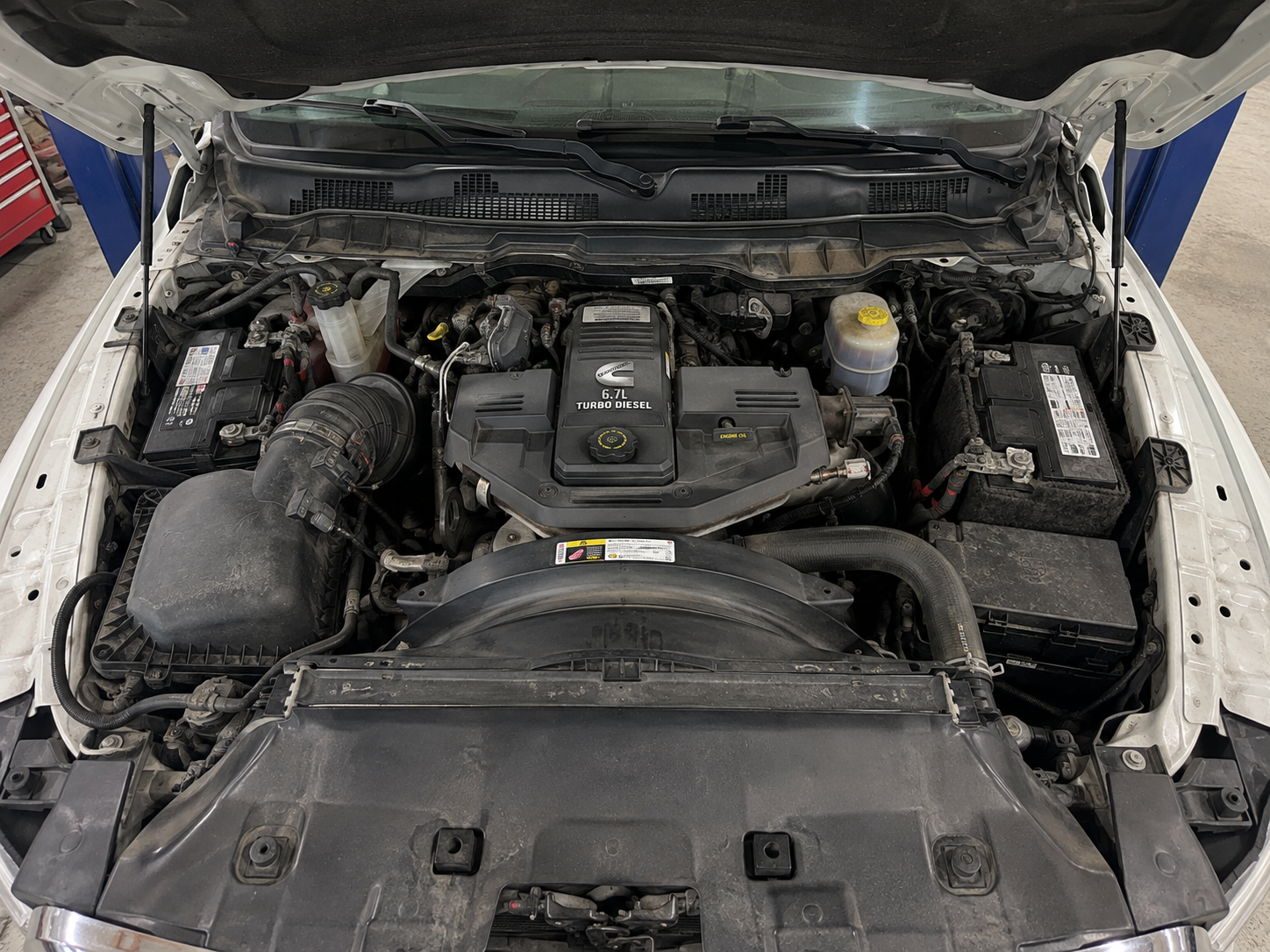
Modern diesel trucks are built to deliver massive torque while meeting strict emissions standards, and the Ram 6.7L Cummins is no exception to this rule. Settled right on top of the engine under the valve cover, the Crankcase Ventilation (CCV) filter is a silent ally that keeps this powertrain running clean and efficient.
When a heavy-duty diesel engine operates under load, high cylinder pressures cause combustion gases (known as blow-by) to slip past the piston rings and enter the crankcase. These gases pick up atomized oil mist and moisture along the way. Rather than venting those raw hydrocarbons into the atmosphere, the Ram’s closed-loop CCV system redirects them back into the intake stream to be re-burned. The CCV filter acts as the ultimate checkpoint, trapping that oil mist before the air is routed downstream.
Skipping filter maintenance creates a variety of issues throughout the engine. Without a clean filter, oil mist coats the turbocharger's compressor wheel, intercooler pipes, and intake valves. Over time, this oil combines with recirculated soot to create a thick, performance-robbing sludge that coats sensors and restricts needed airflow.
As the filter gets saturated with mileage, crankcase pressure spikes. That trapped pressure finds the path of least resistance, which often leads to oil pushing past engine seals, valve cover gaskets, or main seals. Excess oil entering the combustion chamber also burns dirty, placing an unnecessary burden on the Diesel Particulate Filter and forcing more frequent regeneration cycles.
Replacing the CCV filter around the recommended 67,500-mile mark—or sooner for trucks that see heavy towing or extended idling—is a small investment that protects high-dollar engine components. Keeping your 6.7 Cummins breathing freely ensures long-term reliability and keeps all that torque right where you need it.
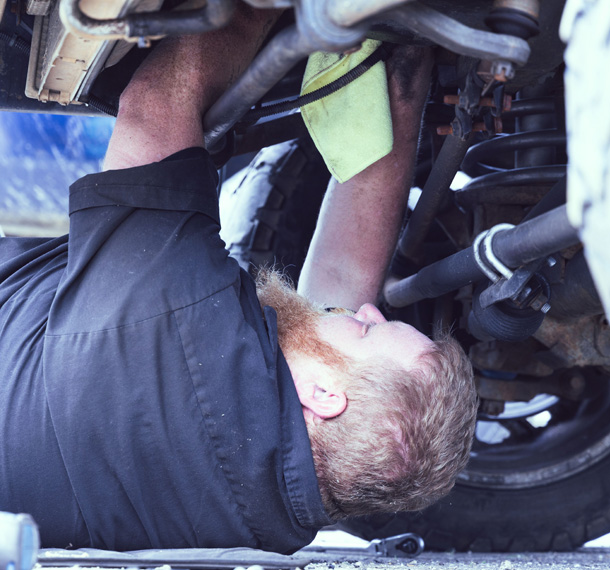
A few days ago, a customer dropped off their 2021 Ram 5500 that had a “Perform Service” message on the cluster. The truck has high mileage and high idle time due to being a service truck. Our technician analyzed the pressures within the crankcase through a scanner and confirmed the need for a new filter. This simple maintenance item cleared the perform service message and is providing better performance and health for the vehicle.